Back

Checkpoint: Address

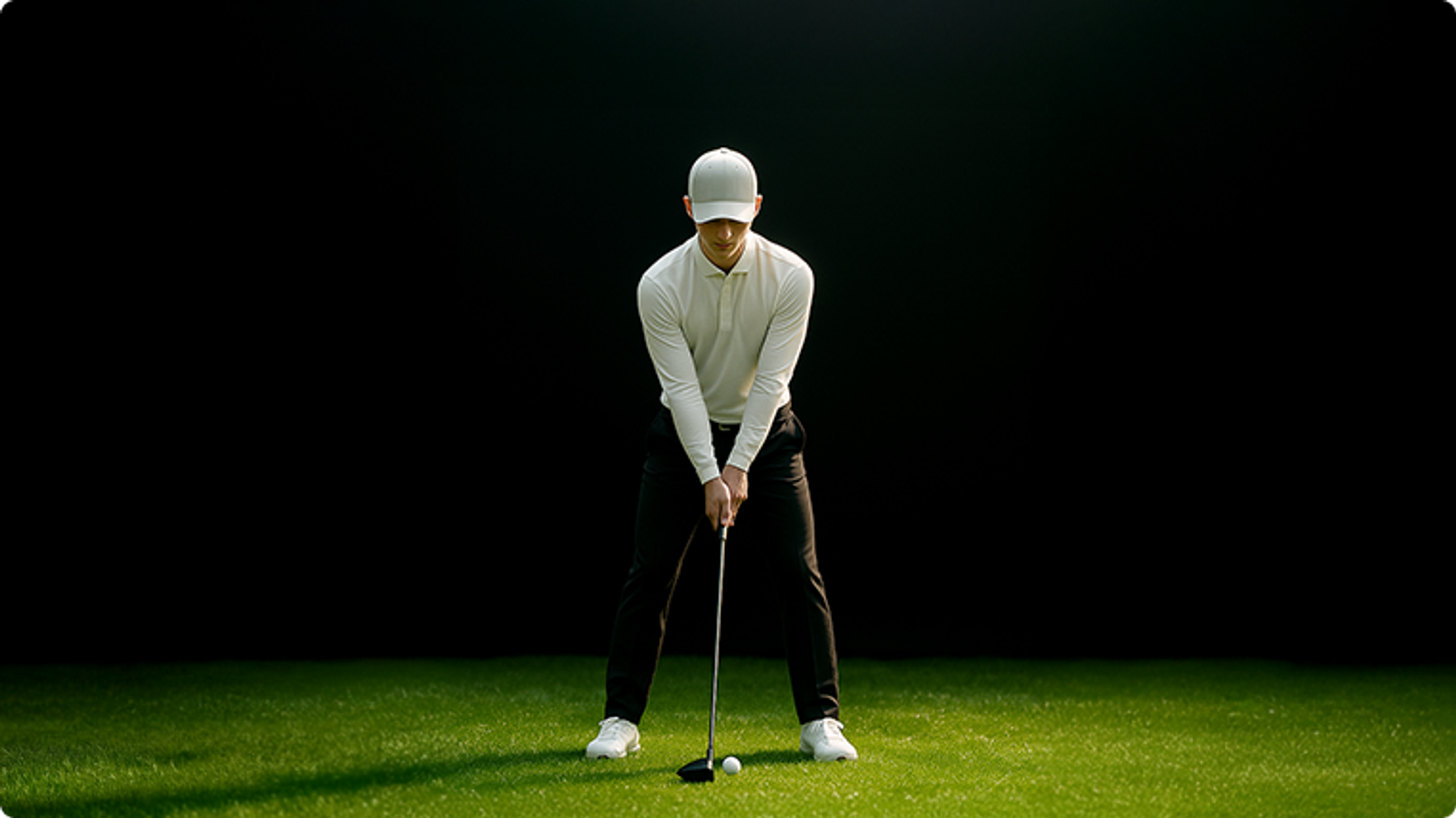
A golfer in a white shirt and cap poised to hit a golf ball on green grass against a dark background.

Address is a key element in forming proper balance and weight distribution, and it is the starting point that determines shot direction and accuracy. Even slight posture differences can greatly affect your results, so a precise setup is essential. Build a reliable Address with AI Trainer.

AI Trainer has 15 checkpoints at Address:
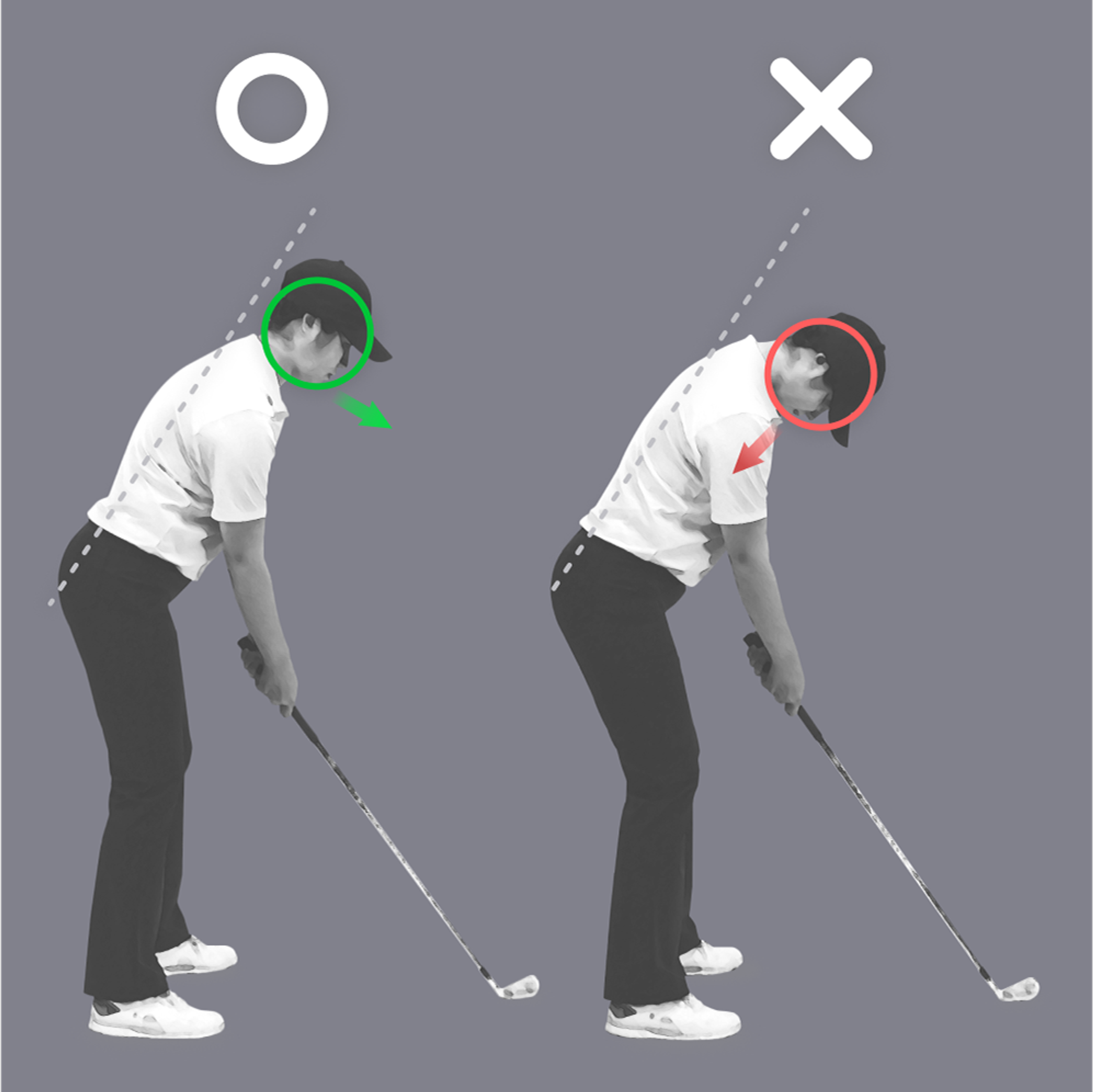
Comparison of good (O) and bad (X) golf posture, highlighting head and spine alignment.

Slouched head

The head is slouched down and the chin is positioned too close to the chest.
A comparison of correct (green lines) and incorrect (red lines, arrows) golf stances, illustrating proper and improper body alignment.

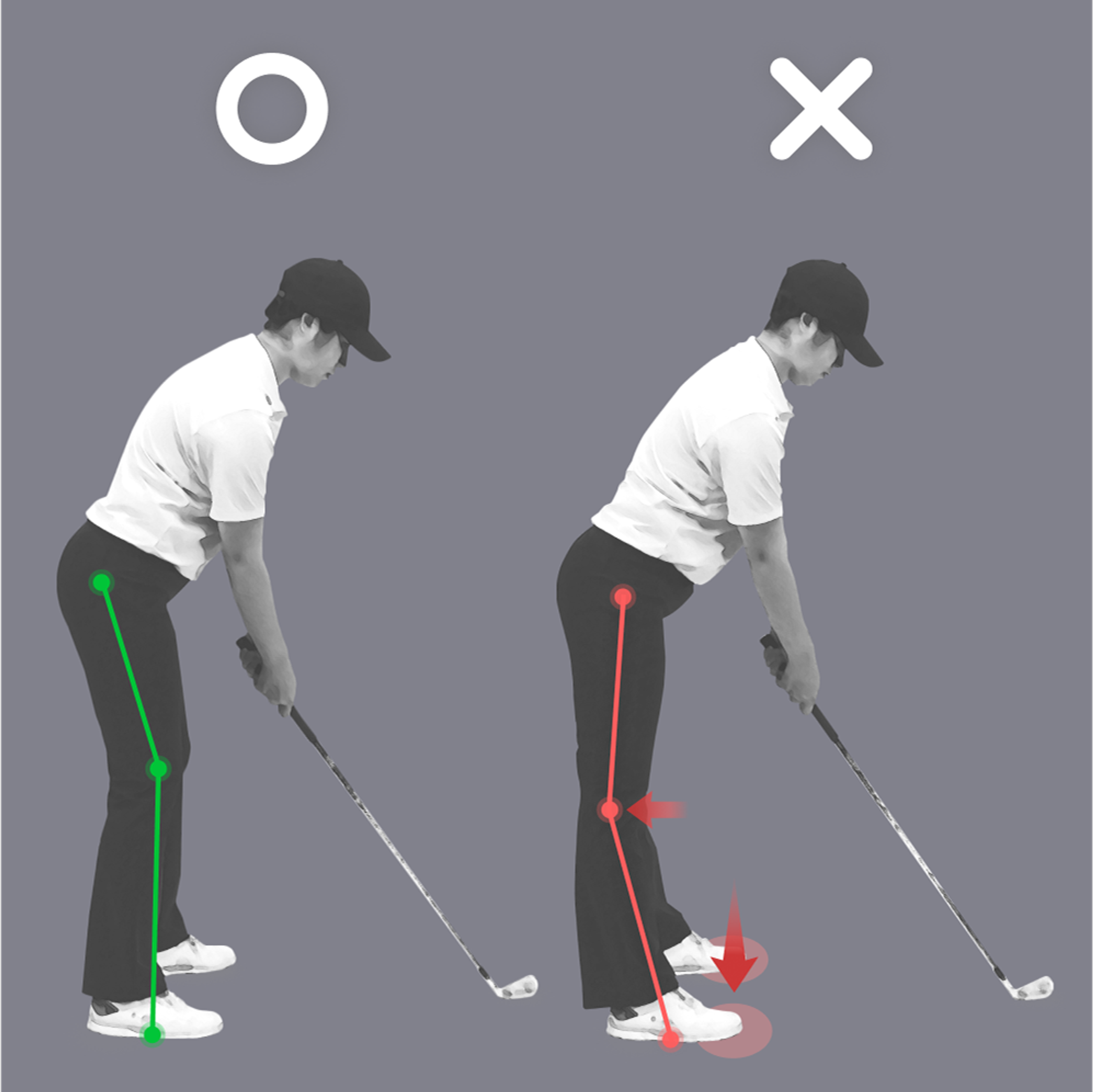
Lack of knee flex

The knees are not flexed enough causing the pelvis to stand tall.
Diagram showing proper (left, green lines) and improper (right, red lines) golf setup posture.

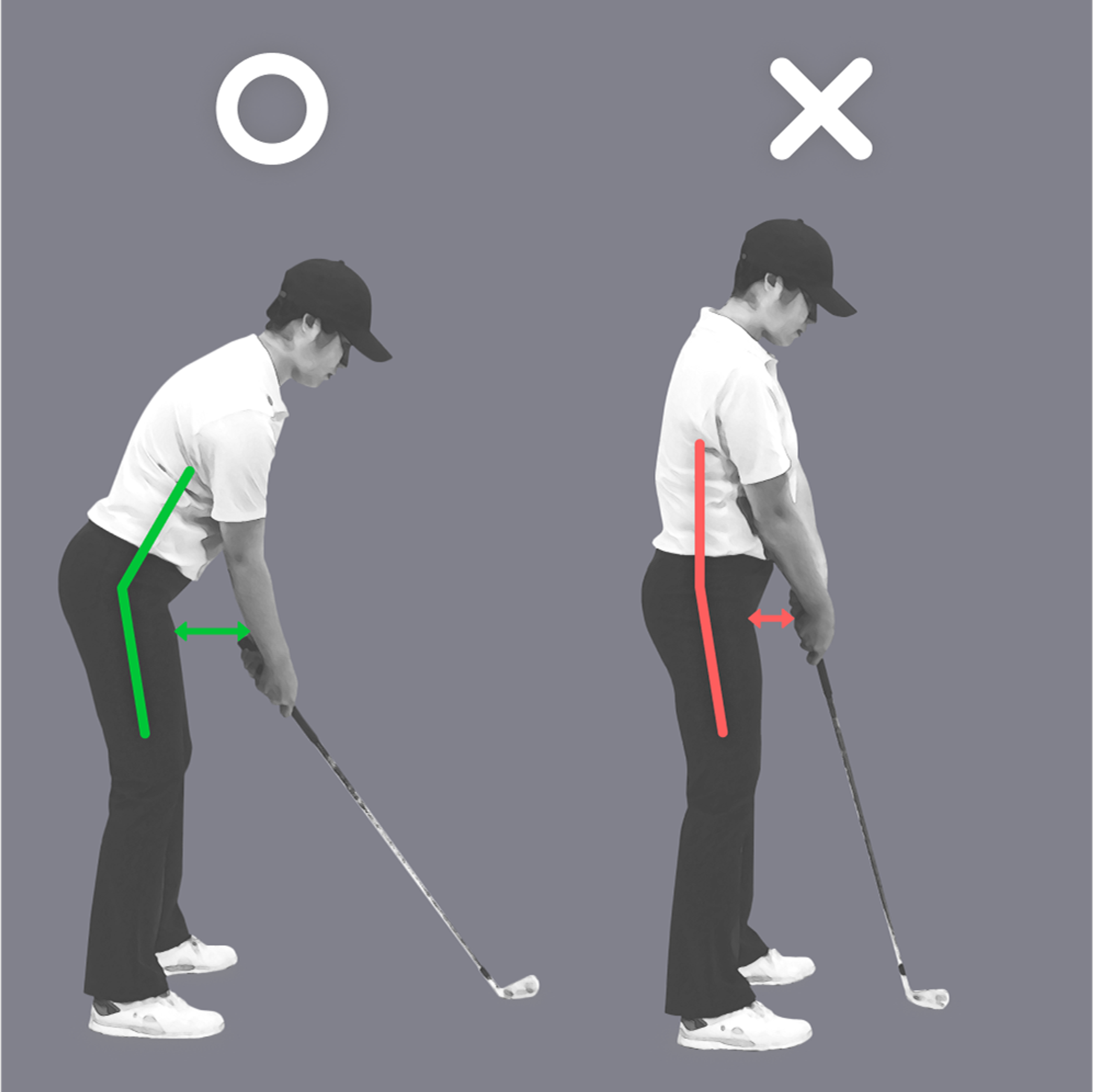
Upright spine angle

The spine angle is too upright, vertically from the pelvis to the shoulders.
A comparison of correct (left, green lines) and incorrect (right, red lines) golf address postures.

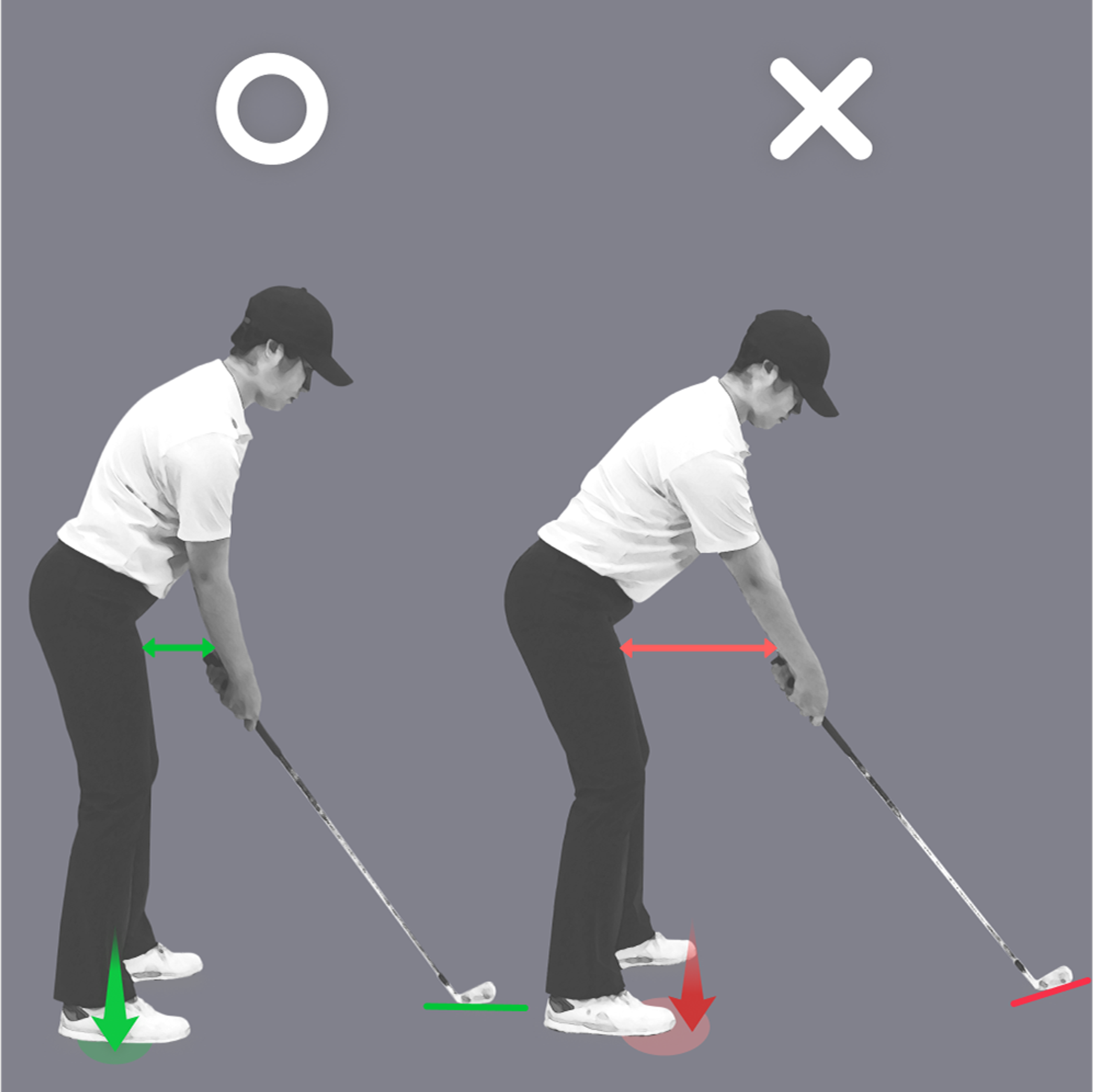
Excessive forward trunk tilt

The spine angle is excessively bent toward the golf ball.
Diagram comparing correct (left) and incorrect (right) golf stance, highlighting proper versus excessive knee bend.

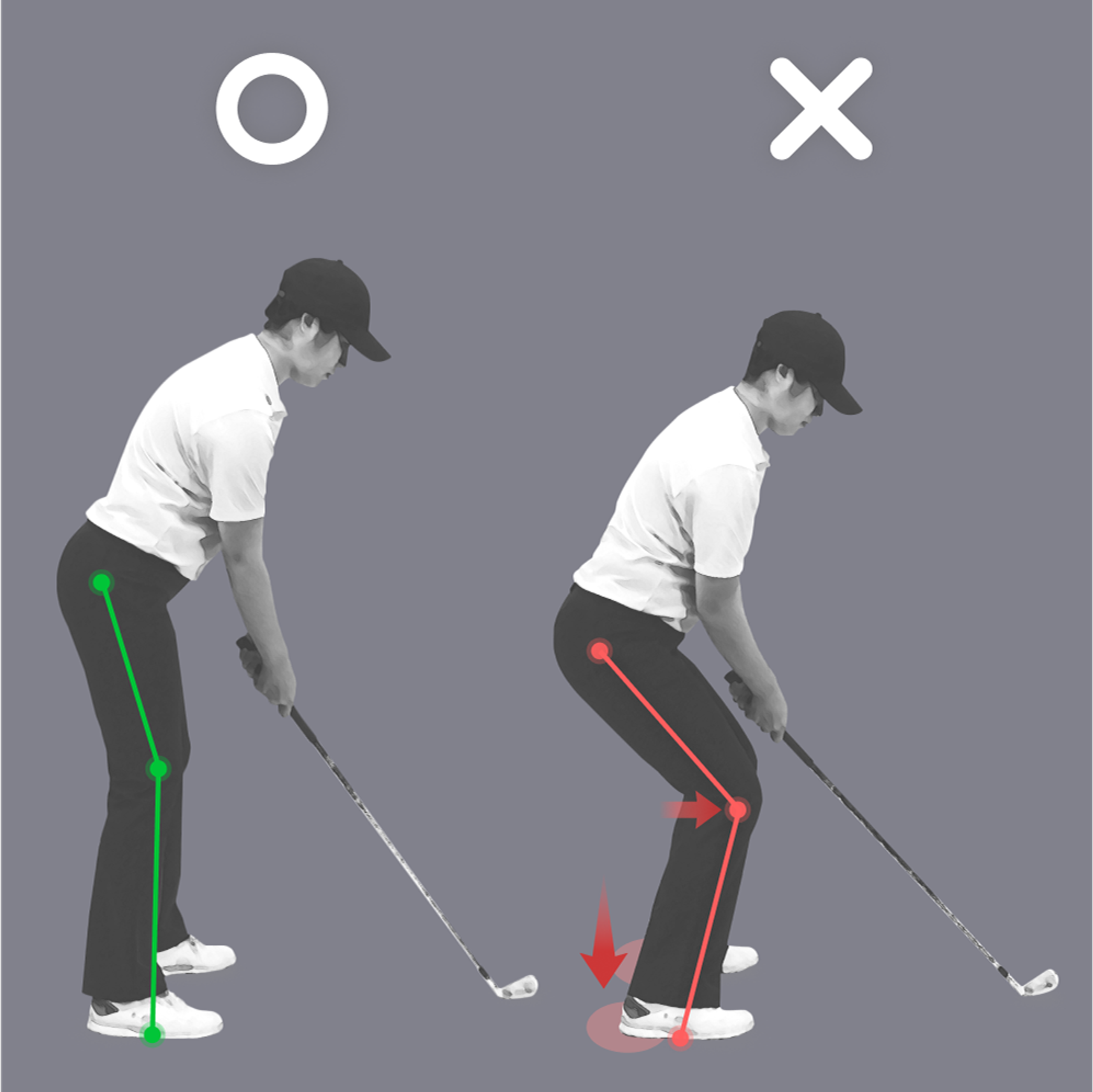
Excessive knee flex

The knees have too much flex causing the pelvis to distribute too much weight to the heels.
A golf instructional image comparing a correct (left, marked with a circle) and incorrect (right, marked with an X) golf stance. The correct stance shows balanced posture; the incorrect stance is overly bent with weight shifted forward.

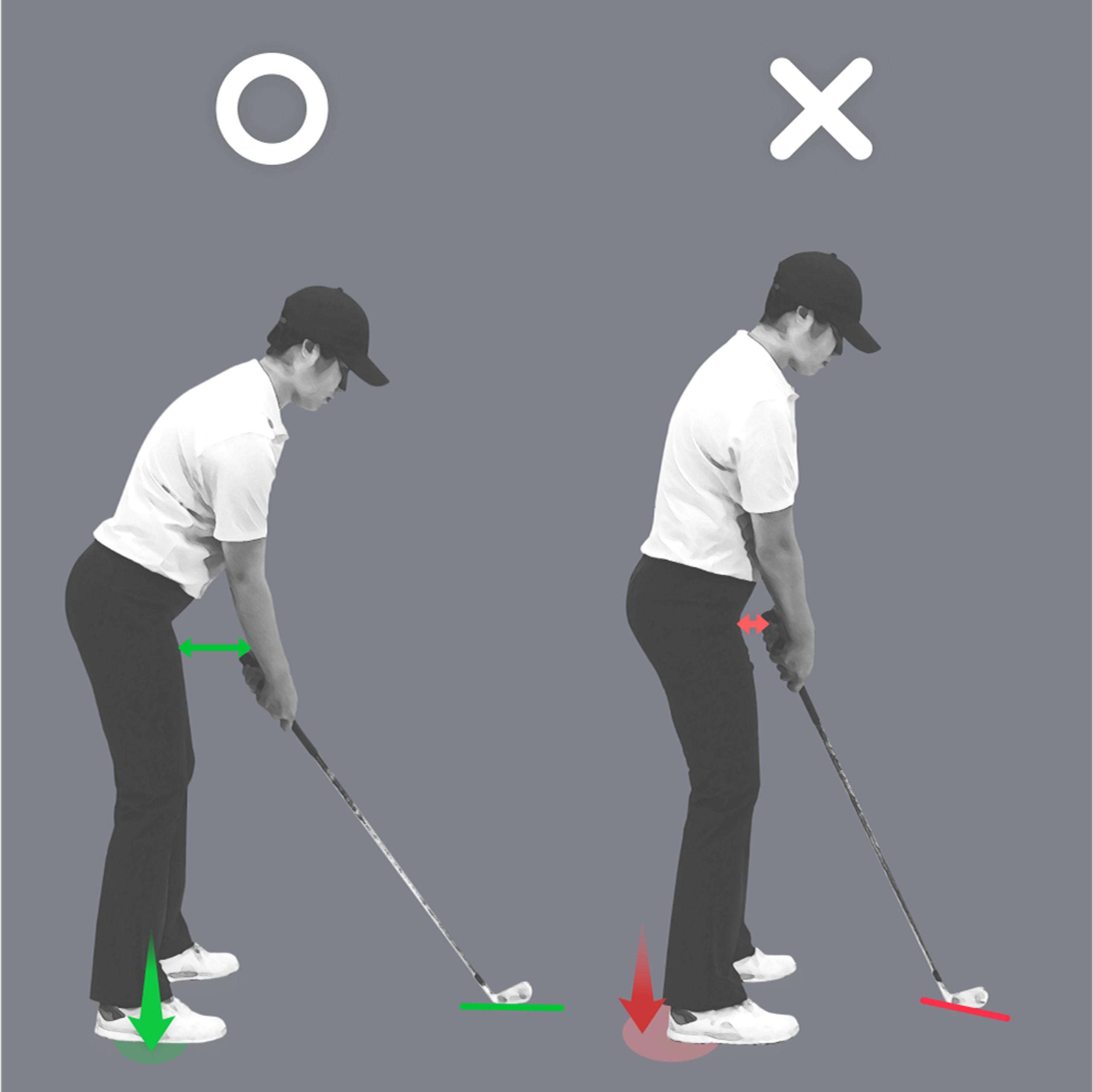
Grip/Club is too far from body

The grip and club are too far from the body causing excessive reaching towards the ball
Golf stance comparison: a correct setup (left) with balanced weight and good posture, and an incorrect, hunched setup (right) with weight on toes.

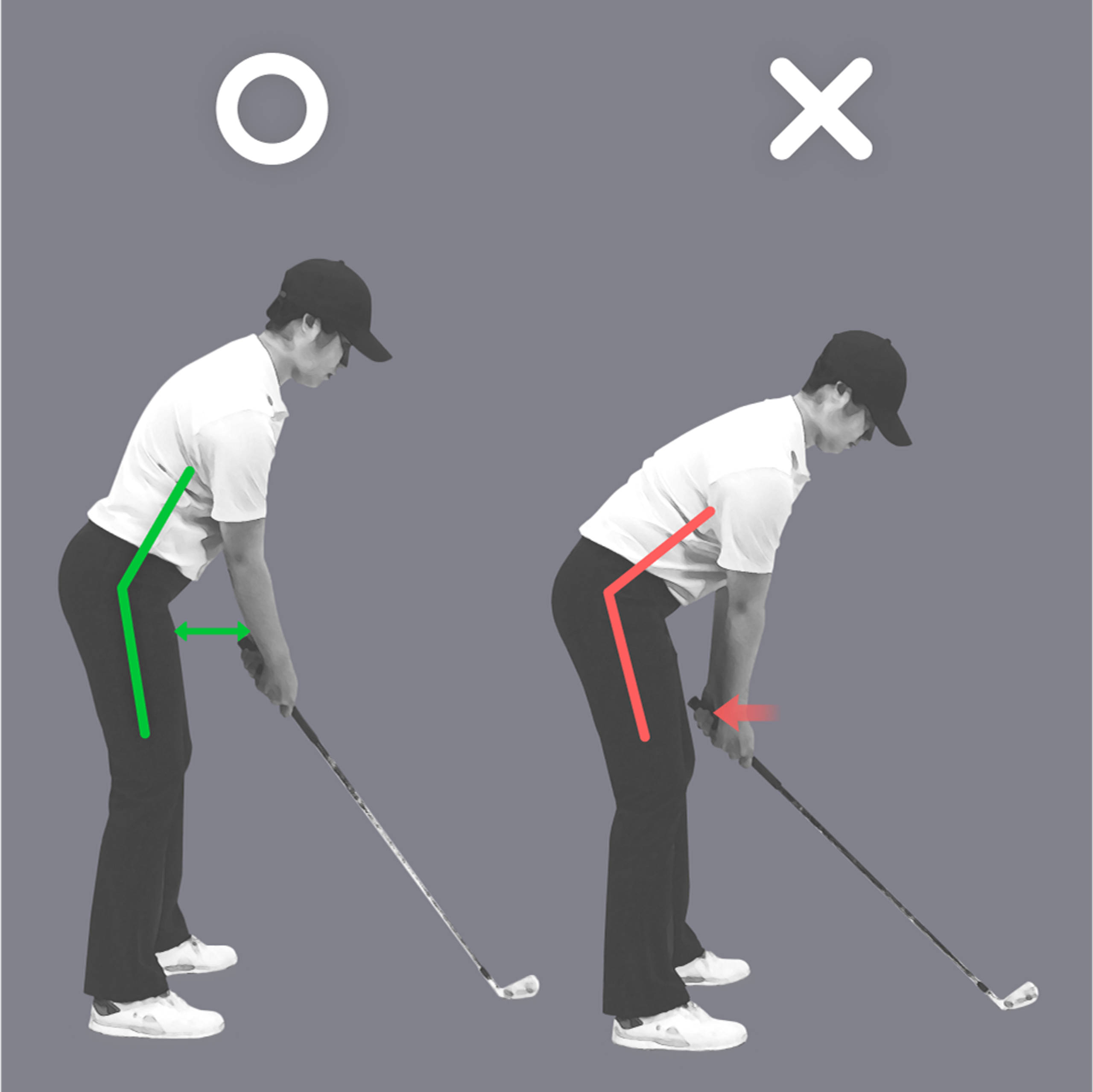
Grip/Club is too close to body

The grip and club are too close to the body causing the crowding of the arms and hands.
Comparison of correct (left) and incorrect (right) golf posture, demonstrating head-to-club vertical alignment.

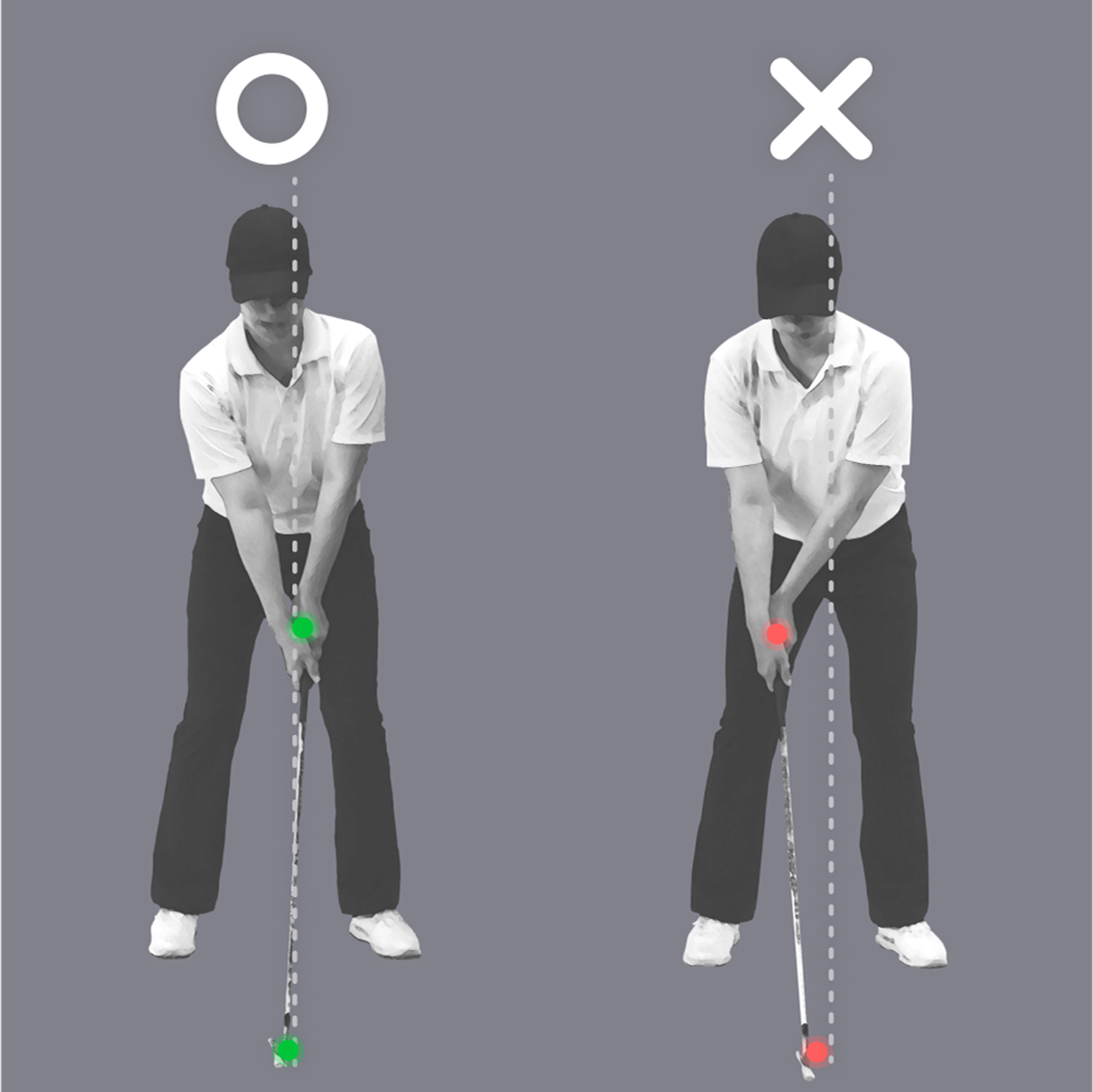
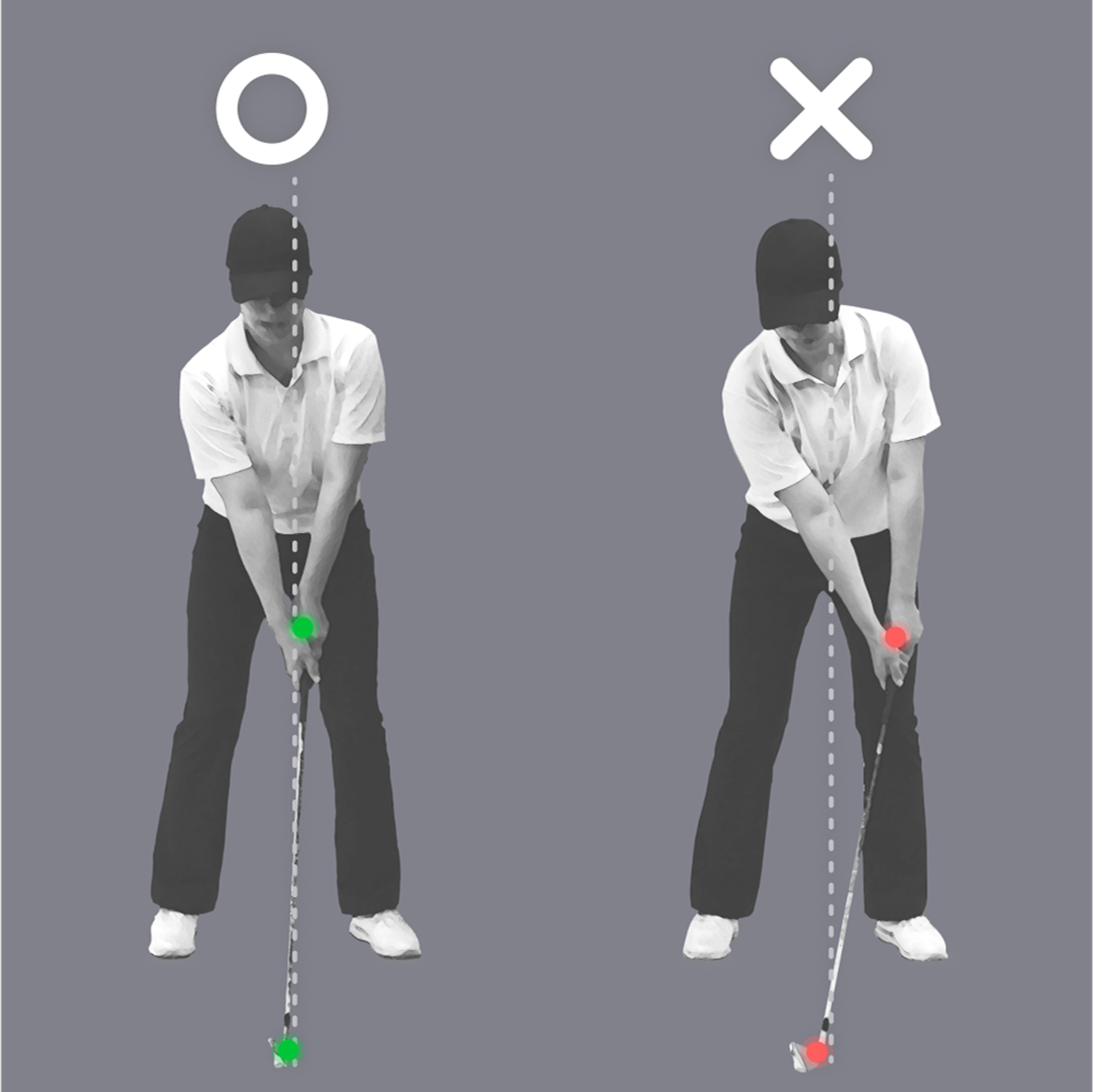
Reverse press

The triangle structure of the shoulder and both arms is flawed with the grip reverse pressed towards the trail side.
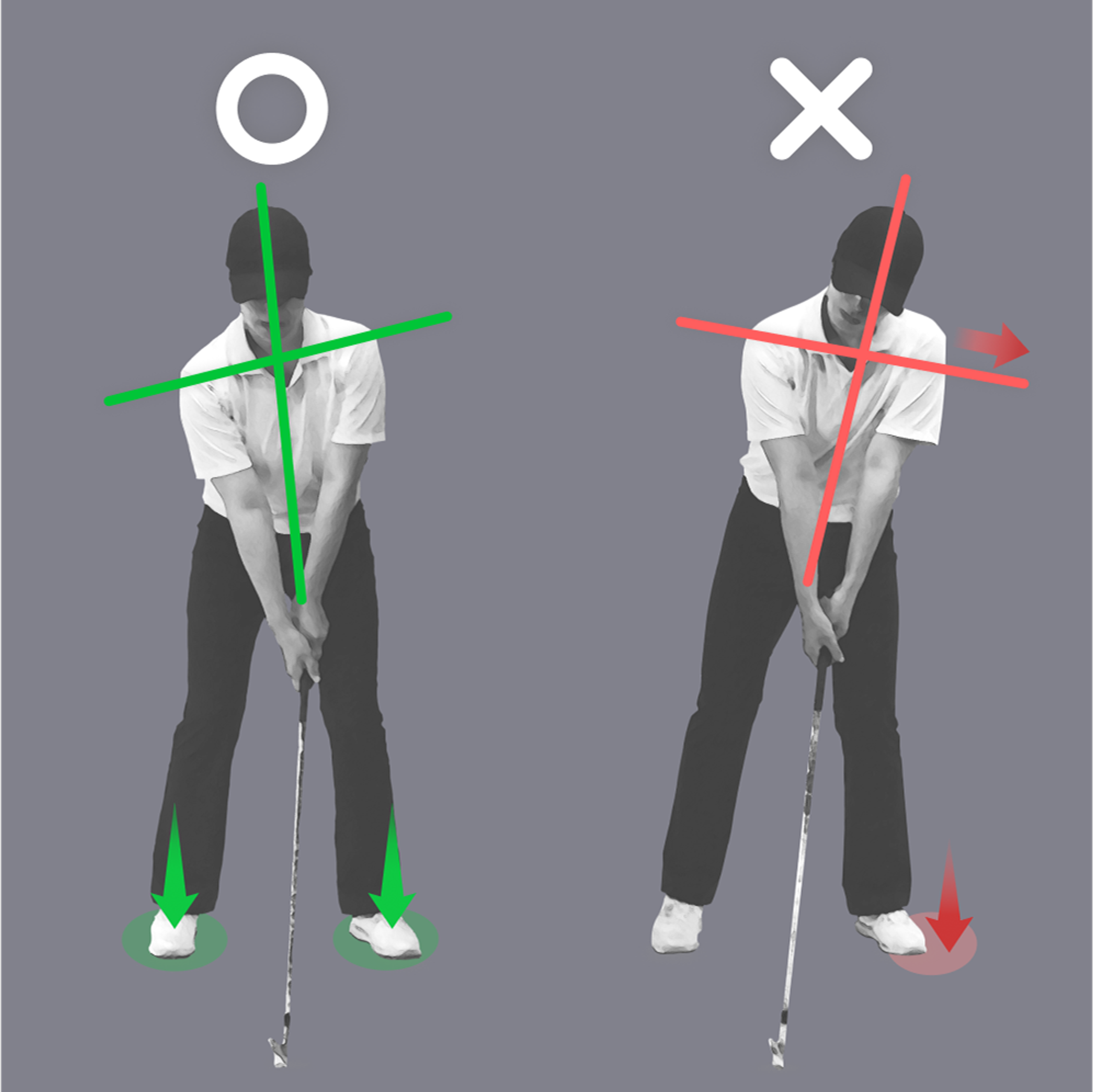
Instructional image showing a correct golf swing posture with straight vertical alignment (green marks) versus an incorrect, misaligned posture (red marks).

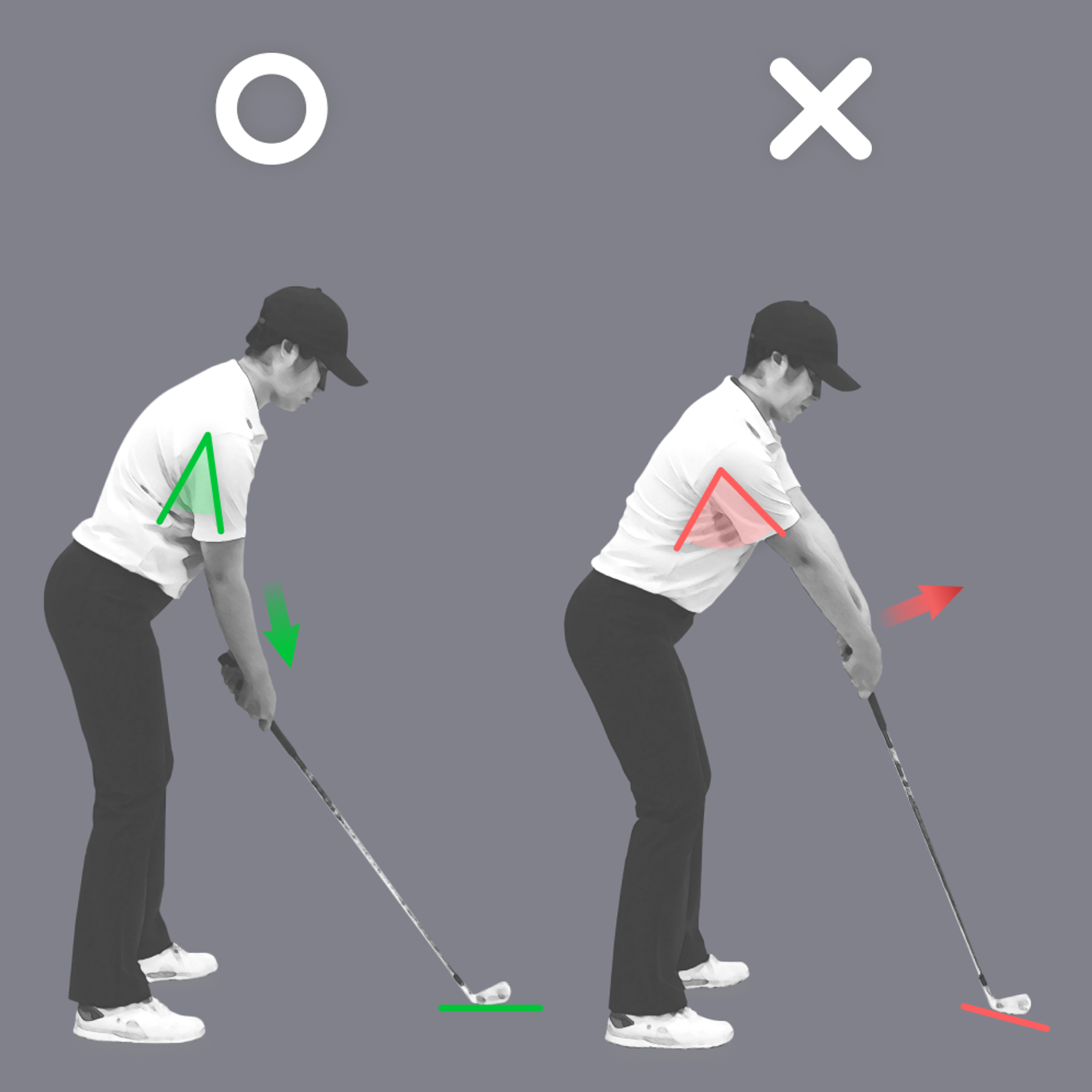
Excessive forward press

The triangle structure of the shoulder and both arms is flawed with the grip excessively forward pressed towards the lead side.
A golfer demonstrates correct (left, narrow stance with green lines) and incorrect (right, wide stance with red lines) golf posture.

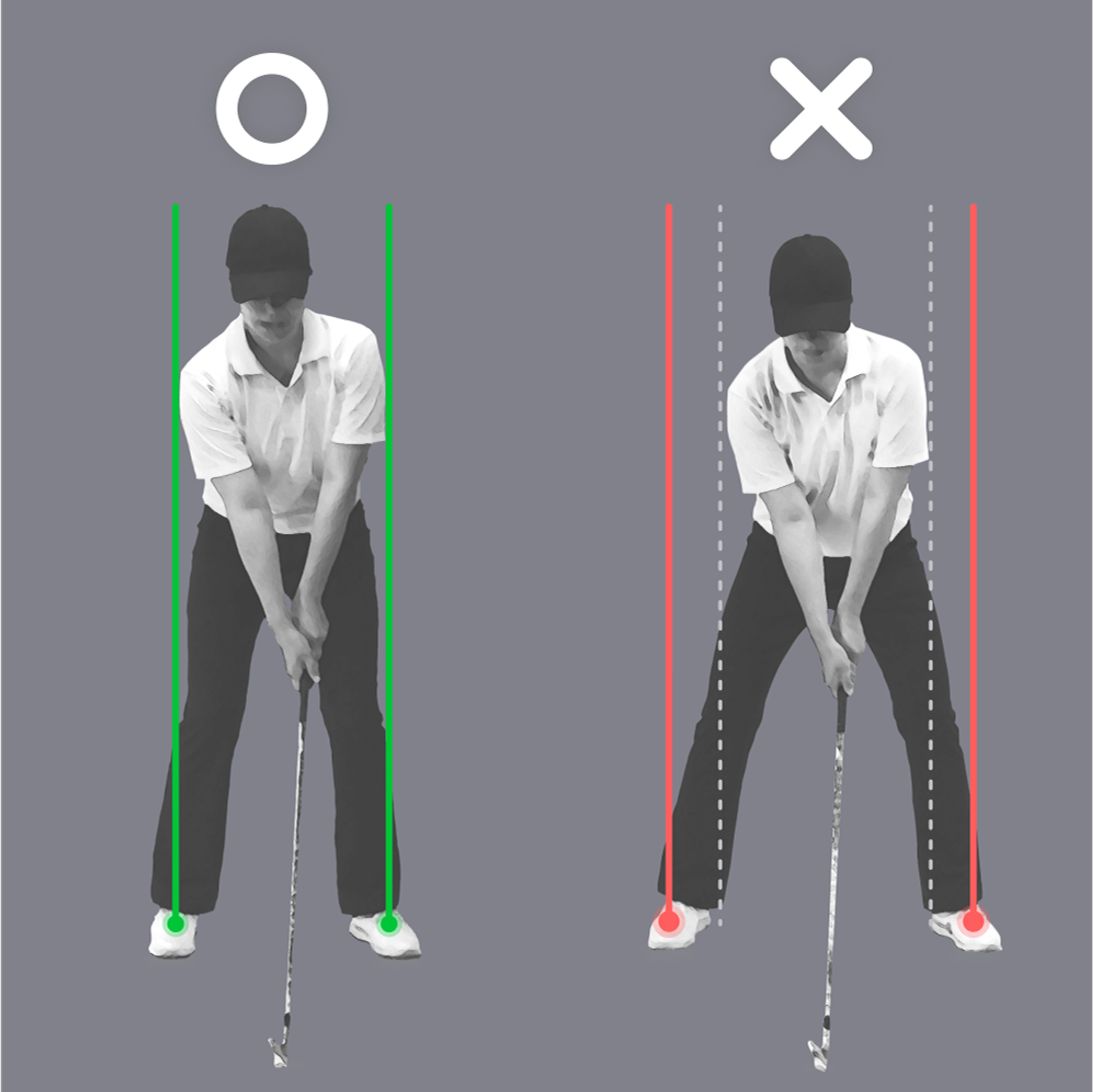
Excessive stance width

The distance between both feet is wider than the width of the shoulder.
Diagram comparing correct wide golf stance (left, green lines) to incorrect narrow golf stance (right, red lines).

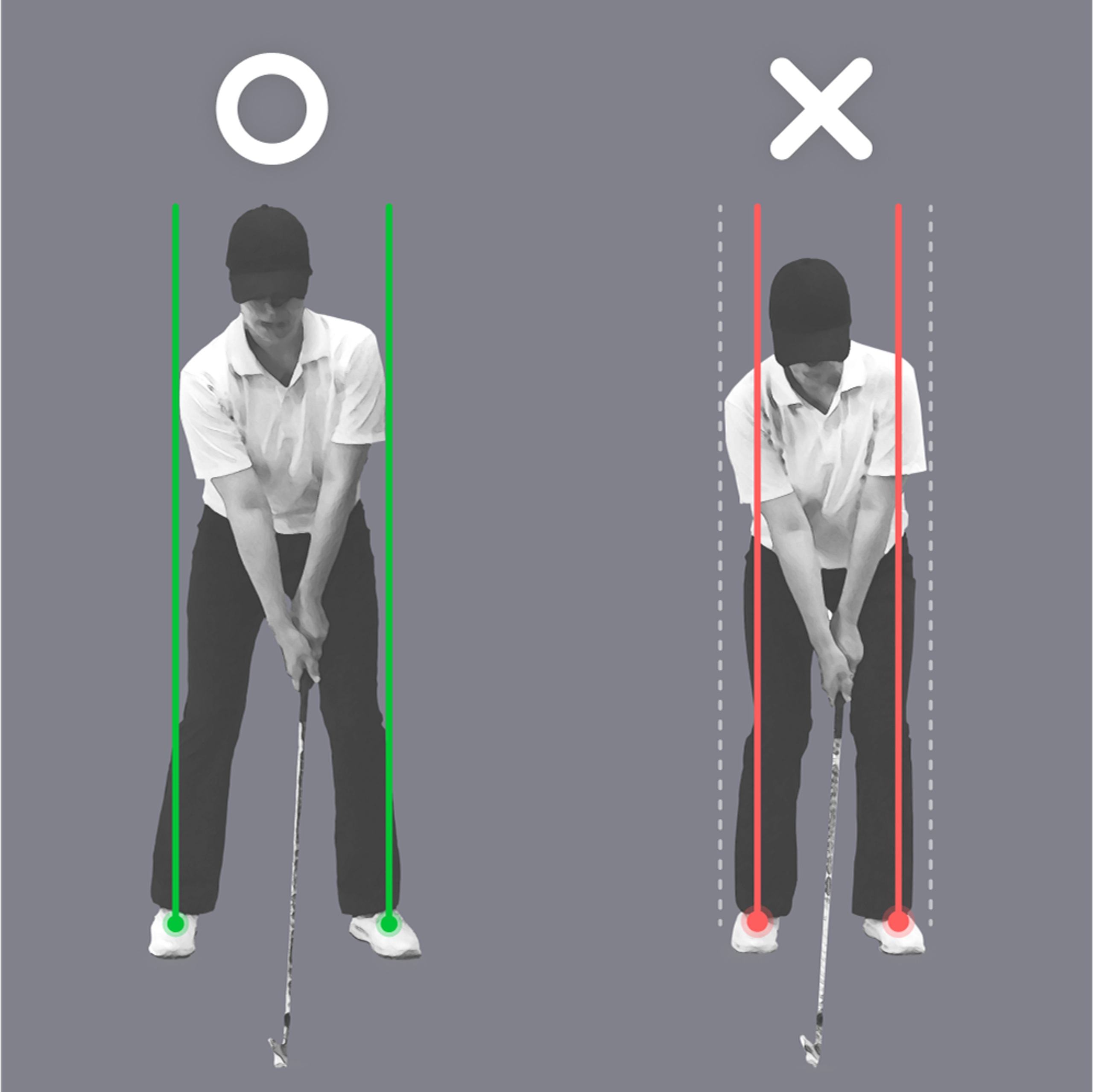
Narrow stance width

The distance between both feet is narrower than the width of the shoulder.
A comparison of two golf stances: a correct golf setup on the left marked with a green circle and lines, and an incorrect setup on the right marked with a red X and lines.

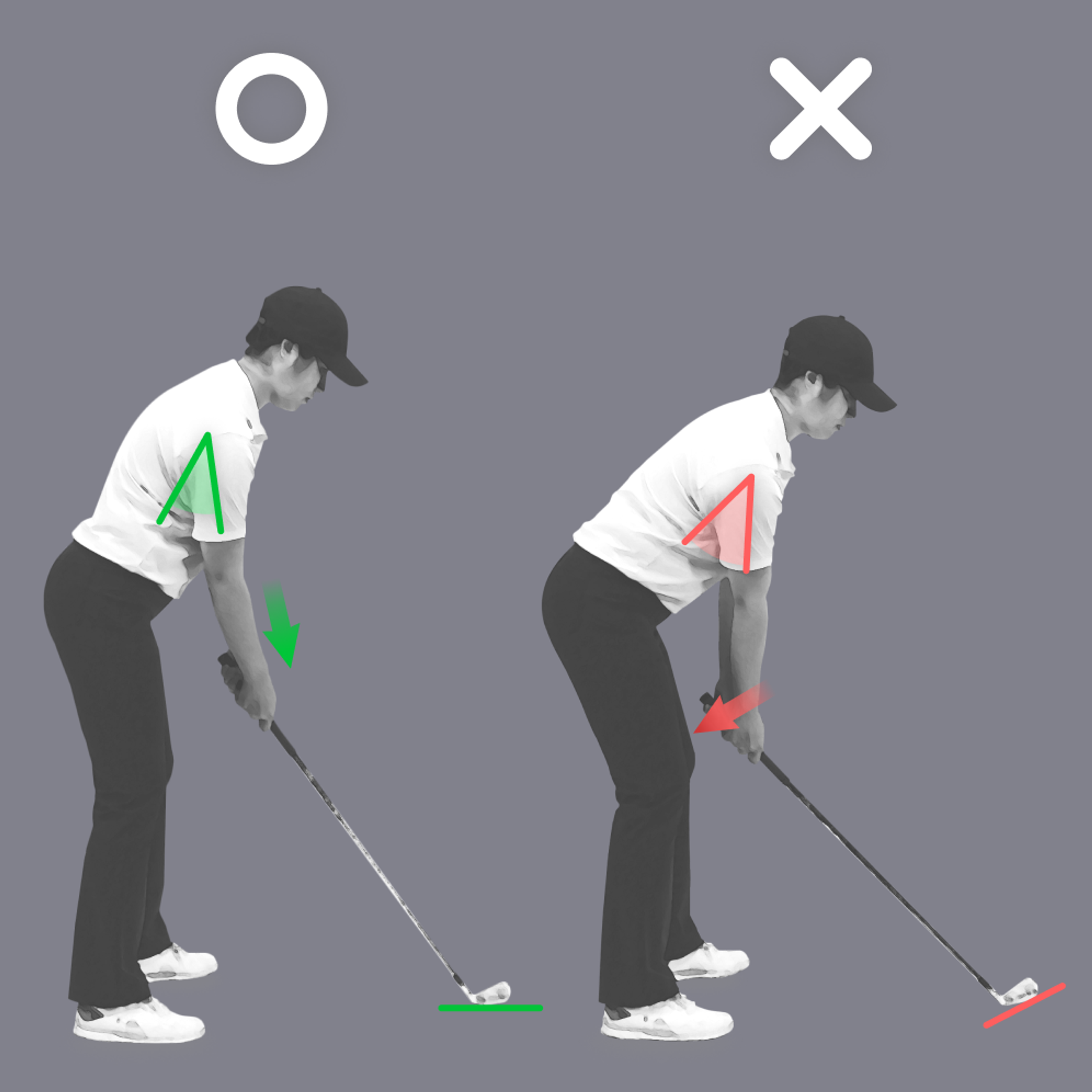
Low handle

At set up, the grip and hands are too low causing the toe of the club to lift.
Golf swing comparison: proper form (left, green) versus improper form (right, red).

Upright handle

At set up, the grip and hands are too upright causing the heel of the club to lift.
Comparison of golf postures: on the left, a correct, balanced stance with green alignment guides; on the right, an incorrect, tilted stance with red guides and shifted weight.

Reverse spine angle

The spine angle is reverse-tilted, positioning the head toward the target. The trail shoulder is higher than the lead shoulder.
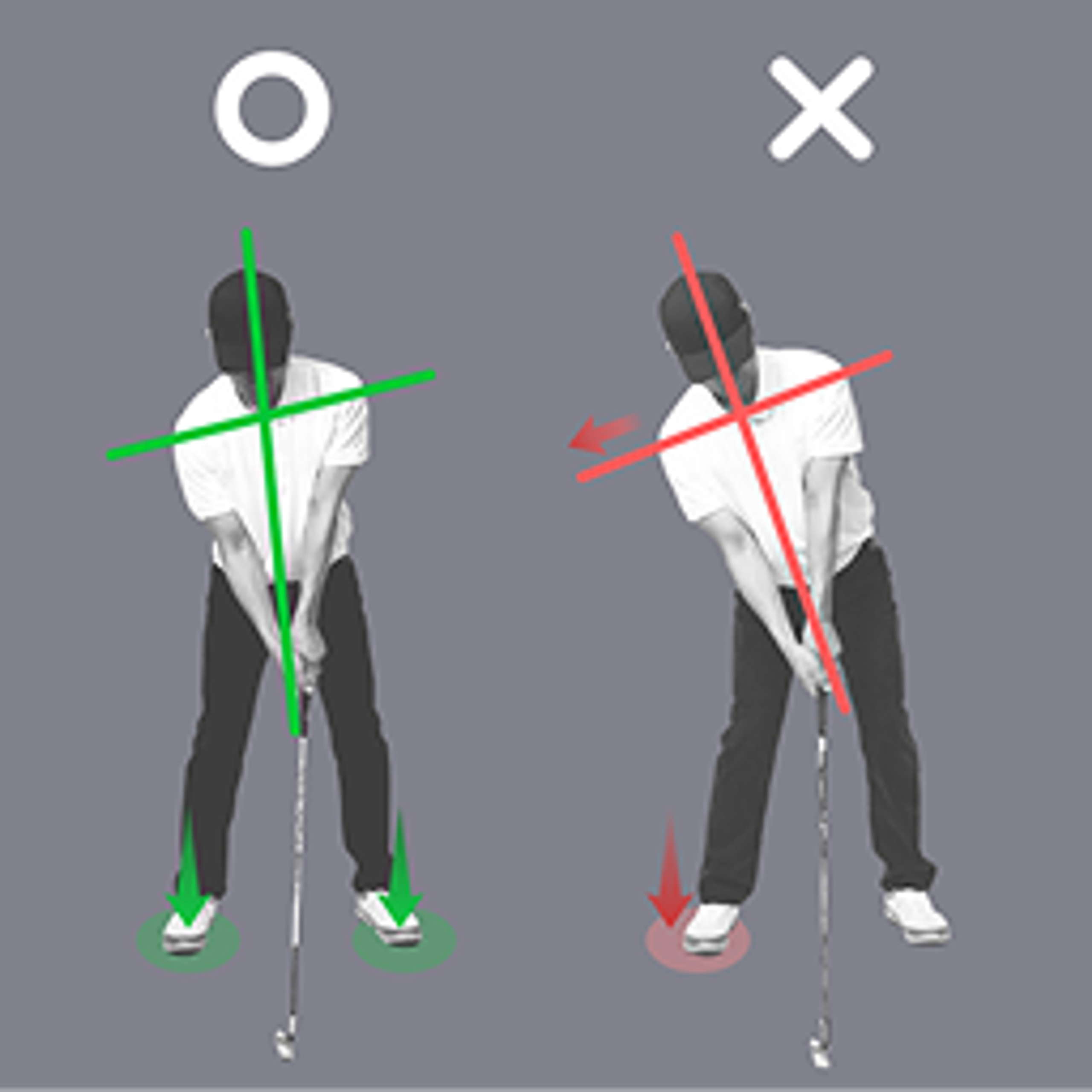
Two illustrations comparing correct (left) and incorrect (right) golf setup posture.

Excessive spine tilt

The spine angle is tilted too much, causing the head to fall away from the target. The trail shoulder is dropped excessively.

Following these points when addressing the ball is the key to starting your swing right. It's important to note that while you can of course use the AI trainer feature with any club, currently the driver and 7-iron have integrated modes available. What this means is that the AI Trainer’s evaluation criteria may vary depending on the selected club type during the session. As we improve and update our AI Trainer, more features will be available to use to help you achieve more satisfying and confident swings. Check in periodically on these pages for any new features available through the AI trainer. We appreciate your continued interest and support! If you already have our hardware and are interested in using the AI software, for only $99/year you can do so by purchasing through your my.uneekor account here.

Please note that this software requires our Swing Optix® hardware. You can purchase this by clicking here.