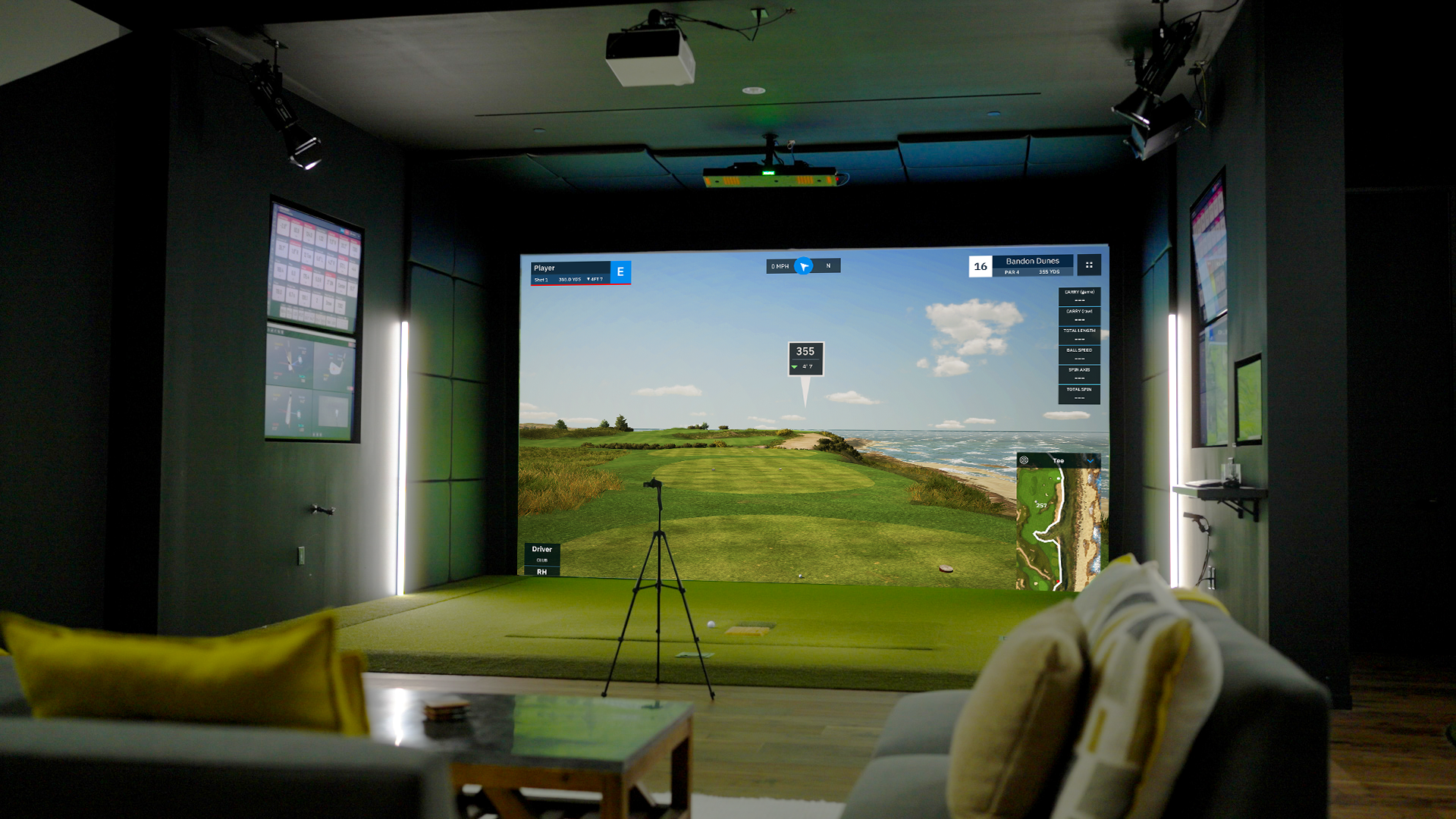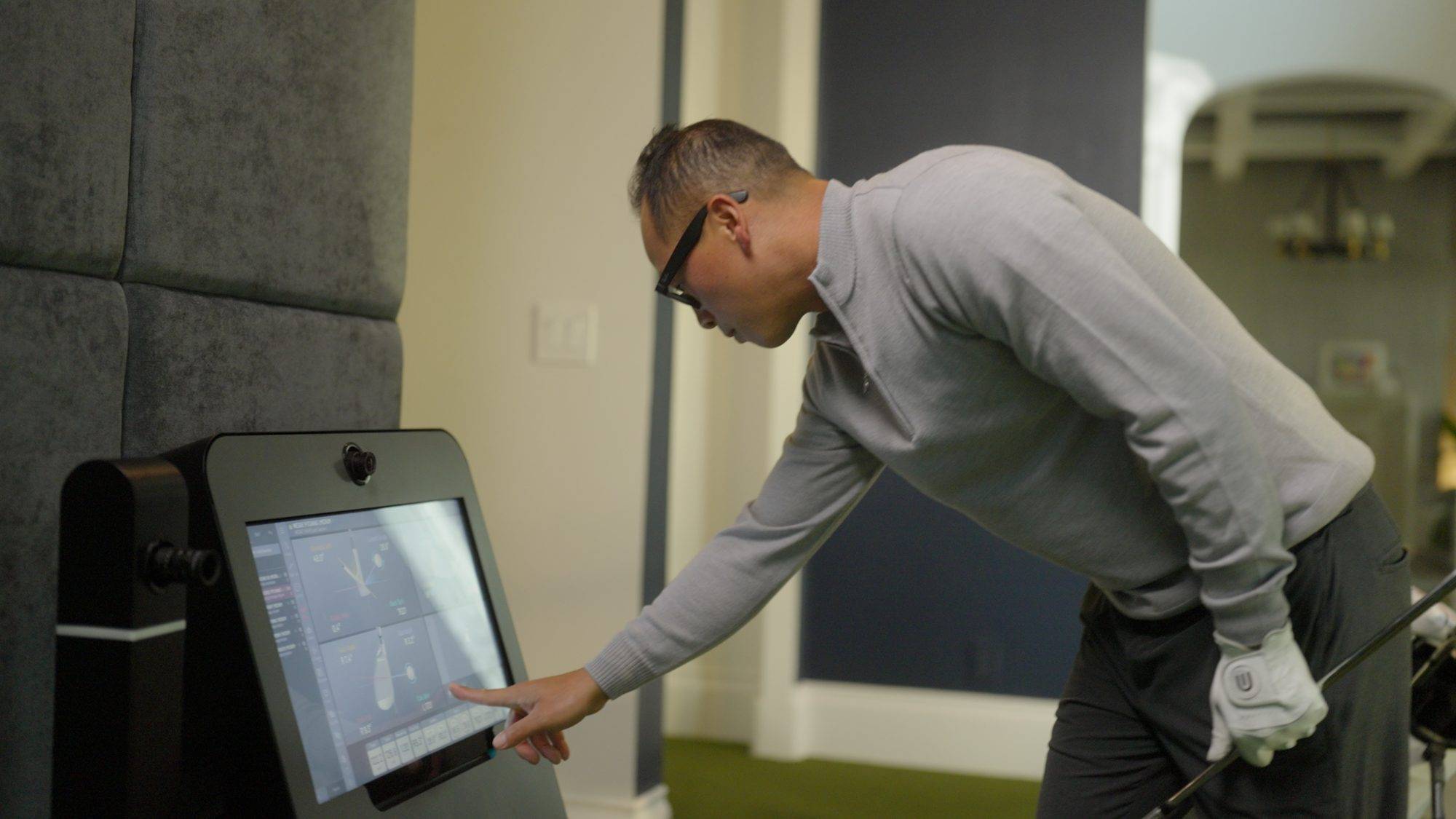
Launch monitors improve the club fitting process to get the best performance out of your equipment.
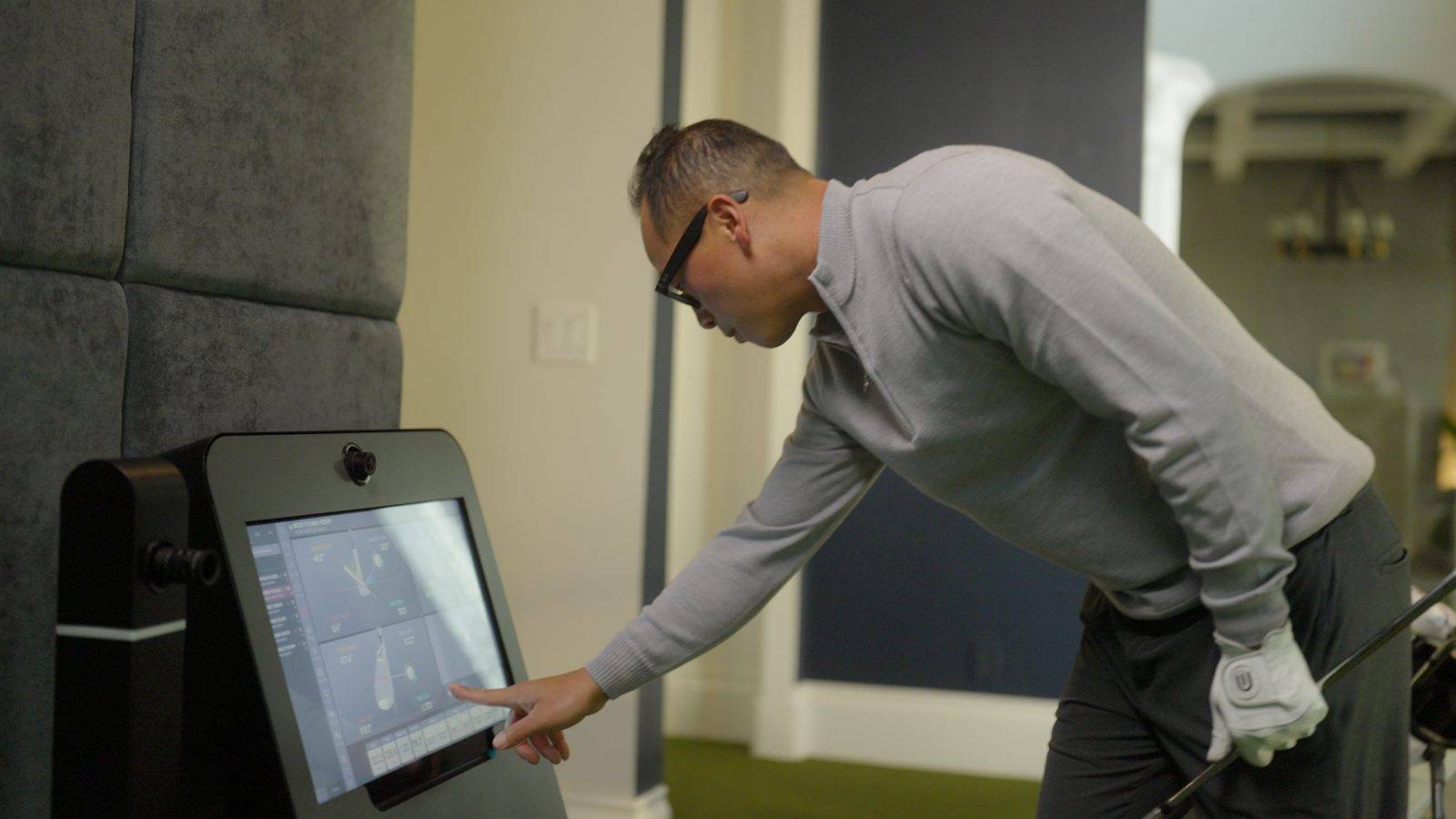
With the advent of technology, particularly launch monitors, club fitting has become a precise and streamlined science. Launch monitors provide invaluable ball and club data, allowing you to make data-driven decisions to optimize performance. In this guide, we'll walk you through how launch monitors improve the club fitting process and experience to ensure you get the best fit for performance and accuracy out of your equipment.
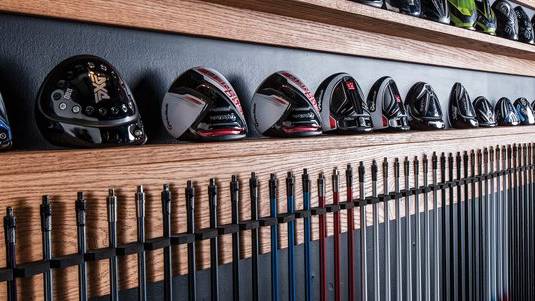
The Old-School Club Fitting Method
The traditional method of club fitting involved going to a range, pro shop, or off-site location to meet with a professional fitter. They would rely on tools like lie tape, lie boards, and impact spray to measure the data they need to properly fit golfers. These methods, while relied upon for many years, were not systematic and could often produce varying results from one fitter to another.
The New and Improved Club Fitting Method
While lie boards and tape provide insight into how a club fits a golfer, they are not as accurate as seeing the actual location and measuring the lie angle at impact. New technologies, like Uneekor's patented Club Optix®, available in all Uneekor launch monitors, can now show and measure the actual impact characteristics. In addition, you have the added benefit of seeing your swing on camera through Uneekor's Swing Optix® dual high-speed cameras, which can be combined with Uneekor's Balance Optix®, a weight distribution measuring mat. When used during your fitting and swing analysis, Balance Optix® offers a vivid foot “heat map” and precise weight distribution bars so you can gain a better understanding of your playing style and drastically improve the overall fit of your clubs. Your swing could change over time, and you might not use the same clubs as your skillset evolves. Some people get fitted once every six months, some every few years.

Benefits of Using a Launch Monitor for Club Fitting
A launch monitor uses radar, high-speed cameras, or a combination of both to track various aspects of a golf shot, such as club speed, ball speed, spin rate, carry distance, angle of attack, and much more. Launch monitors provide real-time feedback and detailed analysis, enabling club fitters to make precise adjustments to optimize a golfer's performance. Precision: provides accurate and detailed data for precise club fitting. Personalization: customizes clubs to suit the golfer's unique swing characteristics. Performance Improvement: optimizes club performance to enhance distance, accuracy, and consistency. Confidence: gives golfers confidence knowing they have the best-fitted clubs for their game.
Steps to Use a Launch Monitor for Club Fitting
1. Align the Launch Monitor. 2. Warm-Up: before diving into the fitting process, it's essential to warm up to get comfortable and find your natural swing. 3. Select the Club to Test: start with the club you're looking to replace or the one you are most interested in testing. It's best to test one club at a time to focus on the data and make accurate comparisons. 4. Club Fitting: use the data to learn how to find clubs that fit your swing characteristics. Assess your ball data based on centered strikes and mishits, compare your clubhead speed and ball speed, use a consistent swing speed and tempo, and hit a variety of shots from different distances for a comprehensive view of the club's performance.
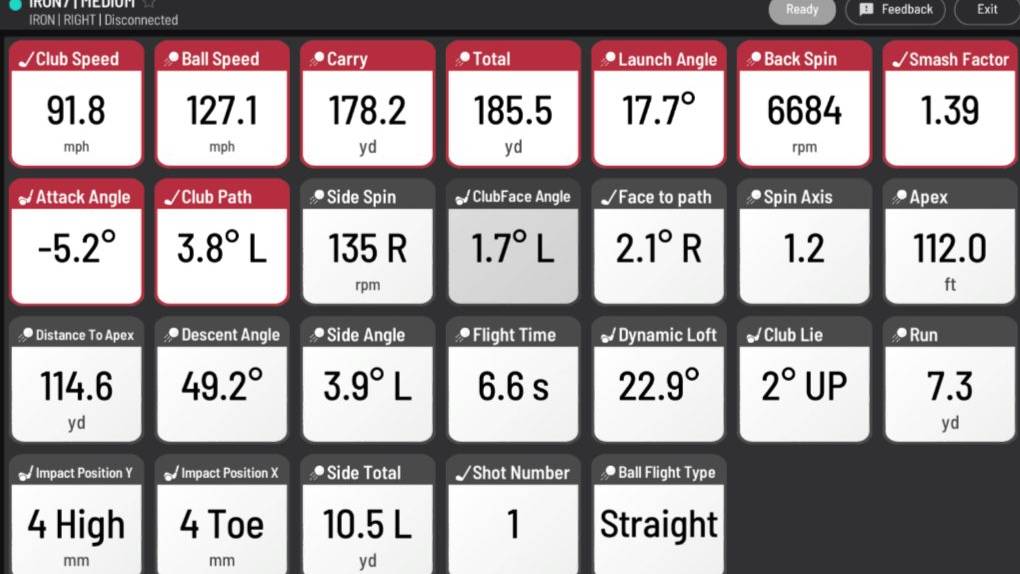
5. Analyze the Data: after hitting a series of shots, review the data. Pay close attention to ball speed (the speed the ball is traveling off the clubface), launch angle (the angle at which the ball takes off), spin rate (the amount of backspin on the ball), carry distance, total distance, angle of attack (the up or down movement of the club head at impact relative to the horizon), ball dispersion (how far left to right and back to front your shots span), and smash factor (the ratio between clubhead speed and ball speed, indicating how centered the strike was). Look for consistency in your numbers and identify any outliers.
6. Make Adjustments: based on the data collected, the club fitter can make adjustments to shaft length and flex, loft, and lie angle to optimize the club to suit your swing and maximize performance. 7. Test Multiple Clubs: repeat the process for each club you want to test. Comparing data from different clubs will help you identify the best options and fill the yardage gaps you want to hit. 8. Finalize Your Selection: after testing multiple clubs and making necessary adjustments, work with the club fitter to finalize your selection and ensure the clubs are properly fitted to your specifications.

Conclusion
Using a launch monitor for club fitting is an essential step in optimizing your golf equipment to maximize performance. By following these steps and utilizing the data, you can find the perfect clubs to suit your game, ultimately improving your distance, accuracy, and overall enjoyment of the game.
3 Tips to Lower Your Golf Handicap: The Importance of Understanding Your Launch Monitor Numbers
In this blog post, we cover 3 simple tips on how to lower your handicap using a launch monitor.